Mamak Or Kopitiam
In Malaysia, you hear the terms "kopitiam" and "mamak" constantly but may not be clear on what each place offers. These aren't interchangeable restaurants, though they are both everyday Malaysian eateries. A kopitiam is a coffee shop, often founded by Hainanese immigrants and serving coffee, toast, and eggs in the morning. Mamak eateries cater to Tamil Muslim immigrants and are known for all-hours service and Indian-Malay cuisine. The social scenes, menus, and etiquette differ at kopitiams and mamaks. Let's break down the basics.
What Each Word Means
A kopitiam is a coffee shop built from the Malay word "kopi" for coffee and the Hokkien word "tiam" for shop. It became a common social place after the Hainanese immigrants opened coffee shops in their new Malayan home.
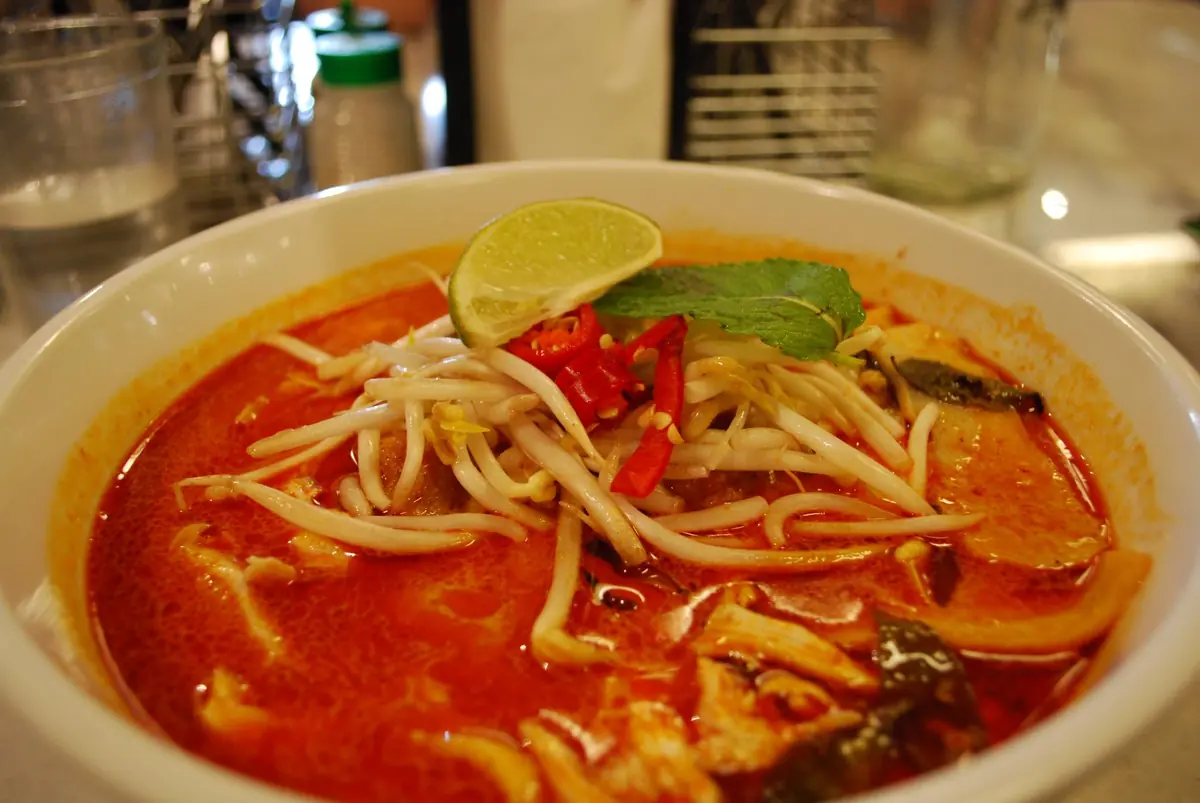
In contrast, "mamak" became a term for Tamil Muslim eateries in Malaysia. It links to broad Indian-Muslim communities in the country. Mamak shops offer a mix of Indian and Malay cuisine, built around traditional snacks like roti canai, mee goreng mamak, and teh tarik.
What You Order, and How
Even for the casual Malaysian visitor, the menus differ at kopitiams vs. mamaks. Kopitiams usually focus on coffee, toast, and eggs in the morning. A kopitiam coffee is made from finer-ground coffee brewed through a cloth sock filter. It's smoother and cleaner, with less sediment, than some other Malaysian coffee.
Mamaks serve more hearty fare of Indian-Malay style. At a mamak stall, you might order a butter Roti Canai, nasi kandar or murtabak, or any other hearty, filling, any-time-of-day meal, from breakfast to late, late supper.
Ordering follows different practice at kopitiams vs. mamaks. Kopitiams typically sit you at a table and then you order a drink at each individual stall, instead of waitstaff coming.
Mamaks use a different system. First, the waiter comes by your table and you order your food and drink. Then you wait for your drink to arrive, and after confirming that it’s correct you pay at the table, by cash or QR code. The shorthand for drinks varies from shop to shop.
When Each Belongs in the Day
Kopitiams often host an early morning scene. They began as gathering places for Chinese workers and merchants, and they remain a breakfast habit — now with students and office workers at the next table.
Mamaks keep the other end of the day. In the city they run round the clock or close to it, which makes them the default supper table after midnight.