Ordering Kopi In Malaysia
Malaysian coffee and tea orders work like a compact grammar: you start with a base drink, then stack on modifiers for the milk, the sugar, and the ice.
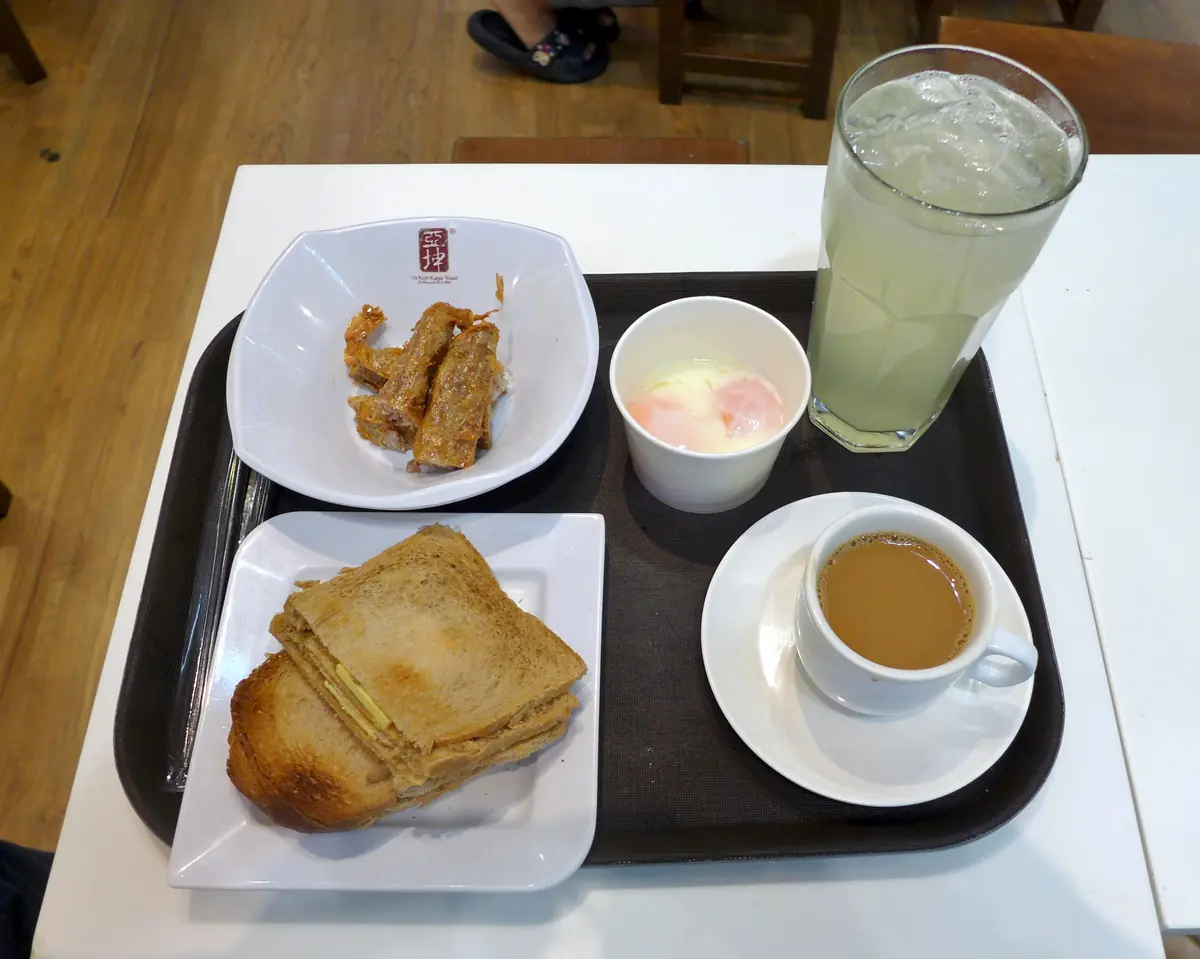
The Base Drink and the First Switch
The base drink can be one of two things: kopi is coffee, and teh is tea. But before you go further, you need to choose the type of milk. O means black, with no milk, while C indicates you want evaporated milk - possibly from the Carnation brand.
Sugar, Ice, and Strength
That's just the start. Now you can choose the amount of sugar. Kosong means "empty" in Malay, and in this shorthand it refers to not wanting any sugar at all. On the other hand, gao is a Hokkien word meaning "strong" or "thick", and in this context it means a rich, dark, and sweet brew with a strong coffee taste. What about ice? Simply add peng, the Hokkien word for "ice".
And siew dai dials both milk and sugar down: less sweet, lighter in the cup.
Reading the Code
Now we can put all this together. An order for kopi O kosong peng means a cup of black coffee, no sugar, with ice. There's no limit to the possible combinations. Kopi C gao? Coffee with evaporated milk, extra strong and very sweet. Kopi siew dai? A coffee with less condensed milk and less sugar than a regular cup.
What Remains Uncertain
The origin of C is argued over — the Carnation tin, or plain Hainanese usage. The code mixes Malay, Hokkien and Cantonese, and the edges of it shift from one state to the next.
How a Newcomer Should Order
So how should you, the coffee-shop newbie, go about ordering? Start from the top, with your base choice of coffee or tea. Next comes the desired amount of milk - or the lack of it, with O. Only then do you get to choose the amount of sugar, with kosong meaning no sugar at all. Finally, settle the temperature and end with peng for iced. Gao and siew dai can go almost anywhere in the order. Just expect the shorthand to drift a little as you move around the country.