Photography In Public
In Malaysia, photography is generally allowed in public streets, but the right to shoot photos narrows rapidly once you move onto property that is privately controlled, even publicly accessed spaces. This includes stations, malls and other commercial spaces, as well as places of worship.
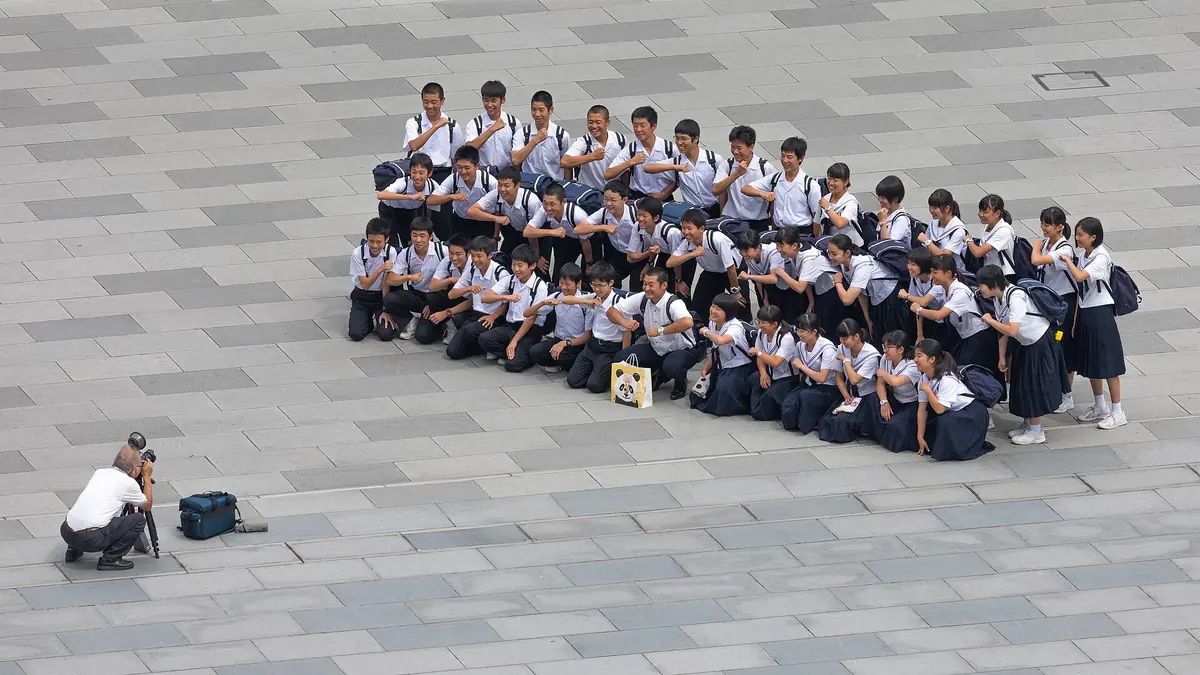
For the general street photographer, Malaysian guidance says it is allowed to take photographs from a public place, so long as the photographer is not invading other people's privacy or harassing anyone. Photography itself is not a crime, but the conduct surrounding it could land you in trouble if it is deemed illegal.
Private space, house rules
When you enter a privately owned or controlled space, however, the owner or operator is at liberty to set its own house rules. Malls, for example, are privately owned but open to the public, so the operator can require you to follow certain guidelines, especially if you are planning a commercial shoot. A shopping mall in Times Square is privately owned property even though anyone can walk through the plaza.
The same goes for rail stations. The MRT Corp sets its own rules for events, filming and photography activities, and requires advance approval, even for non-commercial photography. Materials like tripods or backdrop frames must be fire-rated and approved by the authorities. So if you are a hobbyist, it is normal to abide by basic courtesy guidelines, such as not blocking the flow of traffic. But if you are a professional with a model and lighting setup, it makes sense to verify the local rules to avoid inconvenience and extra work.
In general though, amateur street photography is rarely disrupted, and is only likely to attract a response if you have a flash or lighting setup that disturbs other users, or you are offering commercial photography services. In such cases, operators can and do issue fines: only a year ago, the Kuala Lumpur City Hall handed 41 such fines in a two-day operation against unlicensed photographers at KLCC Park, a popular wedding shoot site.
People and Places of Worship
Street photography is generally an accepted art in Malaysia, but the key is to honour basic courtesies with other street users and sites with religious significance. Travellers and photographers are advised to be cautious when photographing people, and to request permission from a subject before taking their picture. This is especially important in markets, during wedding or other religious ceremonies, or any time the venue is hosting cultural activities.
Religious etiquette varies by place of worship. Mosques and Sikh and Buddhist temples are sometimes happy for photography to take place, provided it is done respectfully. A key restriction, though, is the prayer areas, where photography is not usually allowed, regardless of how many tourists may be attending the service. Photography may also be subject to restrictions depending on the day or cultural event, so it is always better to be cautious in asking authorised site staff for guidance, rather than relying on a vague sign.
If you are challenged
If a guard or a member of staff asks you to stop, start with the honest question: are you in the way? Heat-throwing lights, a tripod in a doorway or a blocked walkway make you the problem whatever the law says about your right to stand there.
On the other hand, if you have not caused a disruption, and are in a right to be in the space doing what you are doing, you should try to ask the operator or guardian politely what the issue is, and explain what you are doing. It often helps to show the gear and say plainly what you are photographing.
In general, though, expect the operator of the space you are in to be in charge, and follow their directions. Shooting in Malaysia is no harder than in most countries; what trips people up is that the rule in the way is usually the operator's, not the nation's. Asked politely, most operators will point you to a spot where you can work.